
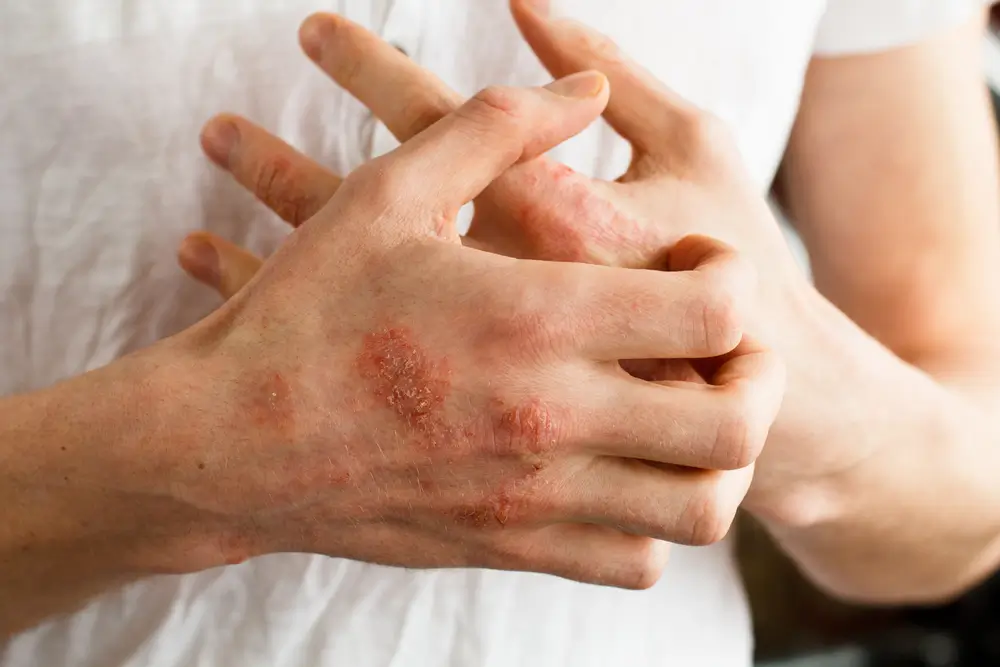
Eczema is a common chronic skin condition that can affect people of all ages, characterized by red, inflamed, itchy skin. In many cases, eczema can lead to eczema blisters, which are painful, fluid-filled bumps that develop when the skin reacts to triggers or becomes severely irritated. Understanding what causes these blisters, how to identify them, and the best ways to manage flare-ups can help you or your loved ones feel more comfortable and confident in your skin care approach.
What Are Eczema Blisters?
Eczema blisters are raised, fluid-filled bumps that appear on the skin, most commonly during a flare-up of eczema or with specific types such as dyshidrotic eczema. These blisters may be clear or discolored, itchy, painful, and sometimes break open and crust over as they heal.
Unlike simple dry patches of eczema, blisters are typically caused by intense inflammation, irritation, or a reaction to a trigger. They can occur anywhere on the body, but areas frequently affected include the hands, feet, and skin folds.
Common Causes of Eczema Blisters
Blisters associated with eczema can be triggered by a variety of factors:
1. Dyshidrotic Eczema
Also called pompholyx, this form of eczema causes tiny, itchy blisters, especially on the hands and feet. It is often related to sweating, allergies, or irritants.
2. Contact with Irritants or Allergens
Exposure to harsh chemicals, detergents, fragrances, or metals like nickel can trigger eczema blisters in people with sensitive skin.
3. Skin Infection
Open skin from eczema can allow bacteria or viruses to enter, sometimes resulting in blistering and oozing sores known as weeping eczema or eczema herpeticum.
4. Stress and Environmental Triggers
Dry skin, stress, heat, sweat, and other environmental factors can weaken the skin’s protective barrier, making blister formation more likely.
Recognizing the Symptoms
Eczema blisters may show up alongside other eczema symptoms, such as:
- Intense itching or burning
- Red, inflamed patches
- Dry, cracked or peeling skin
- Fluid-filled bumps that may leak or crust as they heal
Blisters can vary in size and may occur in clusters. Although eczema itself is not contagious, blistering caused by infections can sometimes spread if left untreated.
Effective Treatment Options
Managing eczema blisters involves both symptom relief and long-term skin care.
Medical Treatments
Dermatologists or providers at Orchard Medical Group may recommend:
- Topical corticosteroids to reduce inflammation
- Calcineurin inhibitors for sensitive areas
- Antibiotics or antivirals if infection is present
- Oral antihistamines to control itching
- Light therapy in more severe cases
At-Home Care
Simple supportive care can improve comfort:
- Cool compresses to soothe irritation
- Moisturizing regularly with fragrance-free emollients
- Avoiding known triggers, such as harsh soaps or excessive sweating
⚠️ Important: Do not pop blisters at home. Breaking the skin can lead to infection and delayed healing.
Preventing Future Flare-Ups
Although there’s no cure for eczema, you can reduce the risk of blister flare-ups:
- Keep skin hydrated with daily moisturizers
- Use gentle, fragrance-free skincare and laundry products
- Manage stress through healthy routines
- Avoid known personal triggers identified over time
Staying proactive with your care plan and working with a dermatology professional can make a dramatic difference in controlling symptoms and improving quality of life.
When to See a Provider
If blisters are painful, widespread, show signs of infection (yellow or green discharge), or do not improve with basic care, contact Orchard Medical Group promptly. Early intervention helps prevent complications and supports faster healing.
About Orchard Medical Group
At Orchard Medical Group, we are dedicated to providing expert dermatologic care to patients in Salem, NH and Manchester, NH. Our team combines compassionate patient support with the latest treatment approaches to help you manage eczema and related skin conditions effectively.
